Exploring Polynucleotide Therapy Training Online
- instituteofskinie
- Feb 11
- 4 min read
Polynucleotide therapy is rapidly gaining recognition as a cutting-edge treatment in aesthetic medicine. If you are eager to expand your skills and offer innovative skincare solutions, this therapy presents an exciting opportunity. Today, I want to share insights about polynucleotide therapy training and how you can access this valuable knowledge conveniently through online courses. Whether you are a Nurse, Doctor, or medical professional, this guide will help you understand the benefits, structure, and practicalities of pursuing polynucleotide therapy training online.
Why Choose Polynucleotide Therapy Training?
Polynucleotide therapy is a revolutionary approach that uses natural DNA fragments to promote skin regeneration, hydration, and repair. It is especially popular for treating ageing skin, scars, and pigmentation issues. But why should you consider training in this specific therapy?
Advanced Skillset: Adding polynucleotide therapy to your scope enhances your ability to offer personalised, effective treatments.
Patient Satisfaction: This therapy delivers visible, natural results that patients appreciate, increasing your practice’s reputation.
Growing Demand: As awareness grows, more clients seek treatments that are minimally invasive yet highly effective.
Scientific Backing: Polynucleotides have strong regenerative properties supported by clinical studies, making your treatments evidence-based.
By enrolling in a dedicated training programme, you gain not only theoretical knowledge but also practical skills to confidently administer these treatments. This is essential for ensuring safety and achieving optimal outcomes.

What to Expect from Polynucleotide Therapy Training
When you sign up for polynucleotide therapy training, you can expect a comprehensive curriculum designed to build your expertise step-by-step. Here’s what a typical course covers:
Fundamentals of Polynucleotides
Understand the molecular structure, biological functions, and mechanisms of action. This foundation helps you appreciate why polynucleotides are effective in skin rejuvenation.
Indications and Contraindications
Learn which skin conditions respond best to treatment and when to avoid it. This knowledge is crucial for patient safety and treatment success.
Injection Techniques
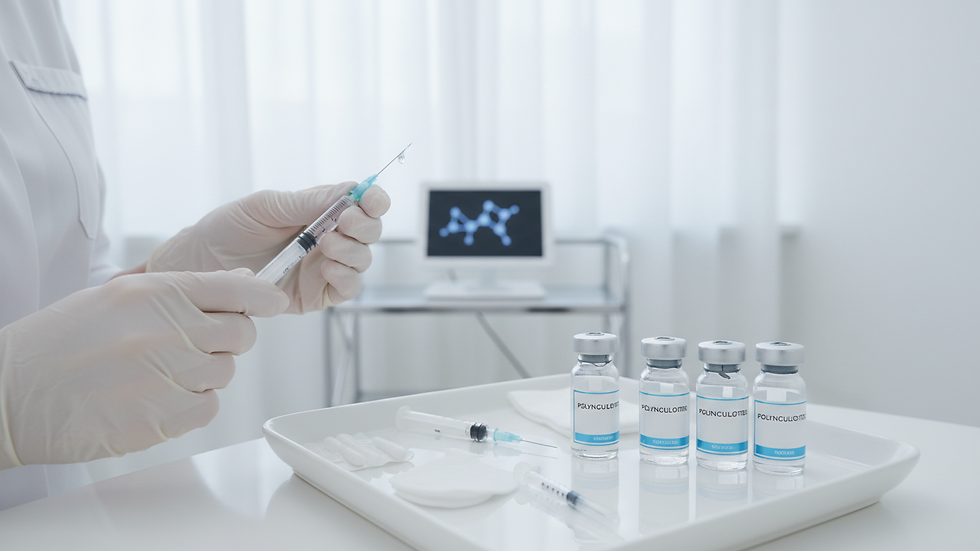
Master the practical skills of administering polynucleotide therapy, including needle selection, injection depth, and dosage. Hands-on practice or video demonstrations are often included.
Patient Assessment and Consultation
Develop skills to evaluate patient needs, set realistic expectations, and create personalised treatment plans.
Aftercare and Follow-up
Learn how to advise patients on post-treatment care to maximise results and minimise side effects.
Regulatory and Ethical Considerations
Understand the legal framework and ethical responsibilities involved in offering this therapy.
Many courses also provide certification upon completion, which can boost your professional credentials and reassure your clients.
Advantages of Taking Polynucleotide Training Online
In today’s fast-paced world, flexibility is key. Online training offers several benefits that make it an excellent choice for busy medical professionals:
Learn at Your Own Pace
You can access course materials anytime, allowing you to balance study with work and personal commitments.
Access to Expert Instructors
Many online programmes feature experienced trainers who provide guidance through webinars, Q&A sessions, and forums.
Cost-Effective
Online courses often reduce expenses related to travel, accommodation, and printed materials.
Interactive Learning Tools
Videos, quizzes, and virtual simulations enhance understanding and retention.
Networking Opportunities
Connect with peers worldwide, share experiences, and build a professional community.
If you want to explore options, consider enrolling in polynucleotide training to experience these benefits firsthand.

How to Choose the Right Polynucleotide Therapy Training
Selecting the right course is essential to ensure you receive quality education and practical skills. Here are some tips to help you make an informed decision:
Accreditation and Certification
Verify that the course tutor is accredited by reputable medical or aesthetic bodies. Certification adds credibility to your qualifications.
Course Content and Structure
Review the syllabus to ensure it covers both theory and practical aspects comprehensively.
Trainer Expertise
Look for courses led by experienced professionals with a strong background in polynucleotide & Aesthetic therapy.
Student Support
Check if the programme offers ongoing support, such as mentorship, discussion forums, or live sessions.
Reviews and Testimonials
Read feedback from past participants to gauge the course’s effectiveness and relevance.
Practical Training Opportunities
Some online courses include optional in-person workshops or supervised practice sessions, which can be invaluable.
By carefully evaluating these factors, you can choose a programme that fits your learning style and professional goals.
Integrating Polynucleotide Therapy into Your Practice
Once you complete your training, the next step is to confidently introduce polynucleotide therapy into your clinical practice. Here are some practical recommendations:
Start with a Pilot Group
Offer treatments to a small group of patients initially to refine your technique and gather feedback.
Educate Your Patients
Use brochures, consultations, and social media to explain the benefits and safety of polynucleotide therapy.
Document Outcomes
Keep detailed records of treatments and results to monitor effectiveness and improve protocols.
Stay Updated
Continue learning through advanced courses, conferences, and research to stay at the forefront of aesthetic medicine.
Collaborate with Peers
Share experiences and insights with colleagues to enhance your practice and patient care.
By following these steps, you can build a successful service that meets the growing demand for innovative skincare solutions.
Embracing the Future of Aesthetic Medicine
Polynucleotide therapy represents a significant advancement in skin rejuvenation and repair. By investing in your education through quality training, you position yourself as a leader in this evolving field. The convenience of online learning makes it easier than ever to acquire these skills without disrupting your busy schedule.
The Institute of Skin is committed to empowering medical professionals in the West of Ireland and beyond with accredited, advanced training. By embracing polynucleotide therapy, you not only enhance your expertise but also offer your patients cutting-edge treatments that truly make a difference.
Take the first step today and explore polynucleotide training to unlock new possibilities in your aesthetic practice. Your journey to mastering this innovative therapy starts here!

Comments